
Chronic elevated cortisol levels often caused from stress can deeply impact the health of your skin. Let's break it down here.
How a Cortisol Spike Impacts the Skin & Breakouts
Cortisol Increases Sebum Production
When cortisol rises (stress, lack of sleep, overexercising, under-eating, emotional stress) your adrenal glands produce more androgens. Androgens then stimulate your sebaceous glands leading to more oil production and higher chance of clogged pores → increased breakouts, especially on the jawline and lower face.
This is why stressed skin looks oilier yet feels dry or tight—it’s overproducing oil but under-hydrated.
Cortisol Weakens the Skin Barrier
High cortisol literally slows lipid production (ceramides, cholesterol, fatty acids), which make the skin barrier thinner and more permeable to disruption, increases transepidermal water loss (like water evaporating from within the skin), makes the skin more reactive, inflamed, and prone to acne flares, reduces its ability to heal from existing breakouts.
This is a big reason why our barrier-first approach at Neves is so effective for clients who experience chronic stress.
Cortisol Triggers Inflammation
Stress hormones cause a surge in inflammatory cytokines, which irritate follicles, create redness and swelling, make acne lesions more inflamed and slower to resolve. If a your acne “pops up overnight,” this is often the mechanism of action happening within the skin.
Cortisol Disrupts the Microbiome
A disregulated microbiome leads to more inflammation and can cause more breakouts. Cortisol shifts the balance of microbiota, which can increase C. acnes activity, reduce beneficial bacteria in the skin and make the skin more reactive after treatments.
Cortisol Slows Wound Healing + Collagen Repair
Chronic stress reduces fibroblast activity, leading to slower breakout recovery and wound healing, more PIH (post-inflammatory hyperpigmentation), and more noticeable acne scarring over time
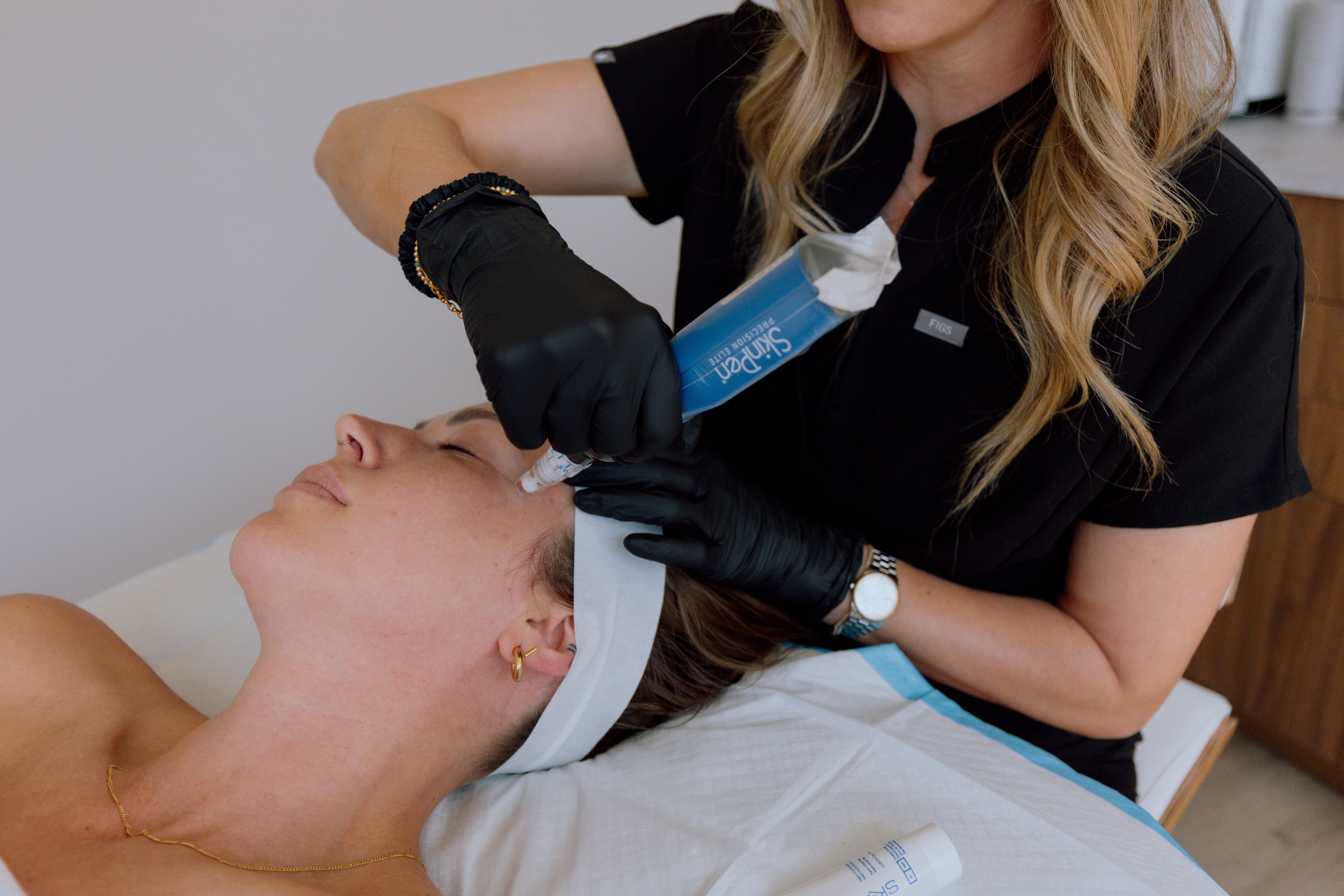
This is why barrier healing + enzymes + supportive home care + corrective treatments like Skin Pen microneedling in a barrier focused approach become essential when treating clients.
Cortisol Affects Blood Sugar → Insulin → Breakouts
Stress can elevate blood sugar levels even without food. Higher insulin increases oil production, inflammatory pathways leading to risk of cystic acne.
This is why stressed clients often report cravings, skipping meals, or hormonal-style breakouts.
SO, WHAT CAN BE DONE TO MANAGE CORTISOL?
I ask clients all the time, "do you experience stress?" "if so, is your stress mild, medium or high?"
Most clients tell me the experience medium to high levels of stress on a daily basis. Not surprising in this face paced, digital world we live in. There always seems to be an expectation of needing to be connected in at all times, fast responses, and lifestyle obligations to attend to. We get this. So here are 7 things I often suggest to clients to help calm the nervous system leading to lower impact on cortisol levels.
1. Eat Regular, Balanced Meals to Stabilize Blood Sugar
Cortisol spikes when blood sugar dips. Consistently skipping meals or eating too little elevates stress hormones leading to more oil production and overall inflammation.
Skin Benefit:
✔️ Fewer hormonal-style breakouts
✔️ More stable oil production
✔️ Reduced redness and sensitivity
2. Prioritize Slow, Deep Breathing for 2–3 Minutes
Deep diaphragmatic breathing activates the parasympathetic nervous system and lowers cortisol almost instantly.
Skin Benefit:
✔️ Reduced inflammatory flare-ups
✔️ Better oxygenation → brighter tone
3. Sleep 7–9 Hours — The #1 Skin Hormone Reset
Poor sleep increases cortisol + decreases collagen repair.
Skin Benefit:
✔️ Improved barrier function
✔️ Faster breakout healing
✔️ Less dullness, fewer stress lines
4. Choose Gentle, Barrier-Focused Skincare
When cortisol is high, the barrier is vulnerable. Focus on: ceramides, omegas, peptides, and soothing serums.
Skin Benefit:
✔️ Stronger barrier = fewer breakouts
✔️ Less reactivity and inflammation
✔️ Reduced transepidermal water loss + better hydration
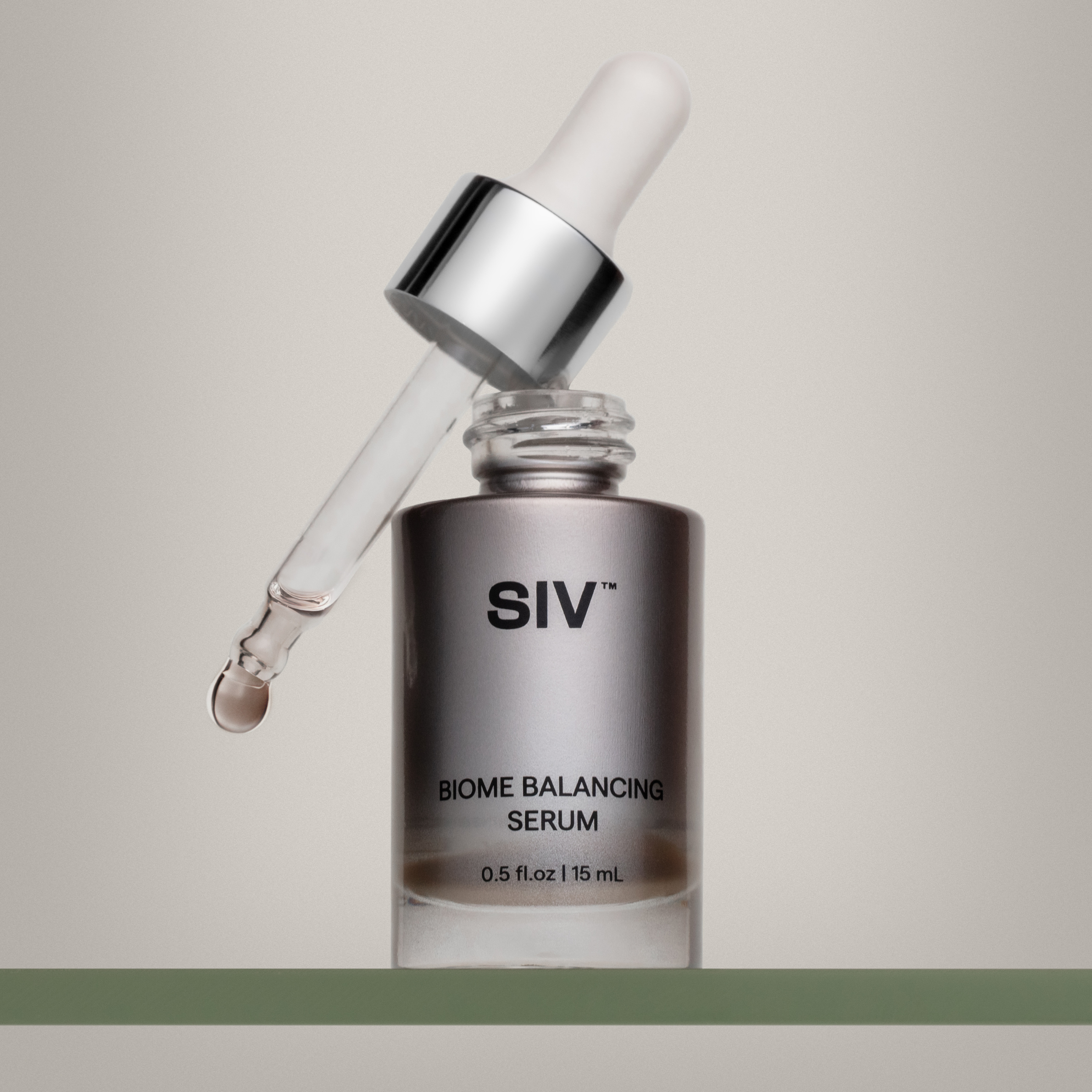
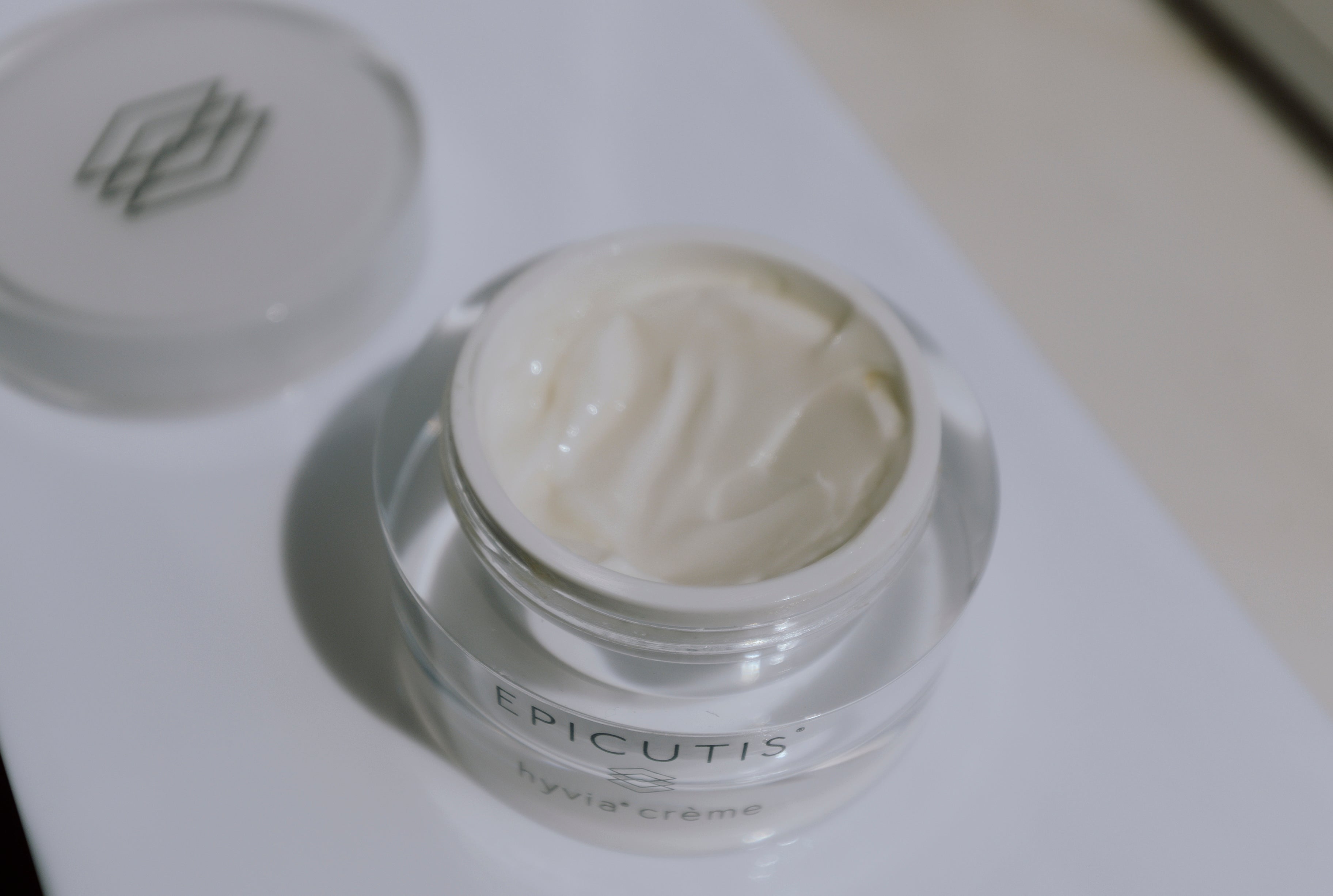
(Epicutis Enzymes + Hyvia, Osmosis Rescue MD, SIV serum, Epicutis Lipid Serum, Hydrinity Vivid = excellent for stressed skin.)
5. Moderate Exercise Instead of High-Intensity Every Day
HIIT and long intense workouts can raise cortisol if overdone. Alternate with walking, Pilates, yoga or mobility days. Movement also helps stimulate the lymphatic system which helps with our detoxification pathways leading to better skin circulation and clarity.
Skin Benefit:
✔️ Reduced inflammation
✔️ More stable sebum production
✔️ Fewer jawline breakouts
6. Support the Microbiome (Gut + Skin)
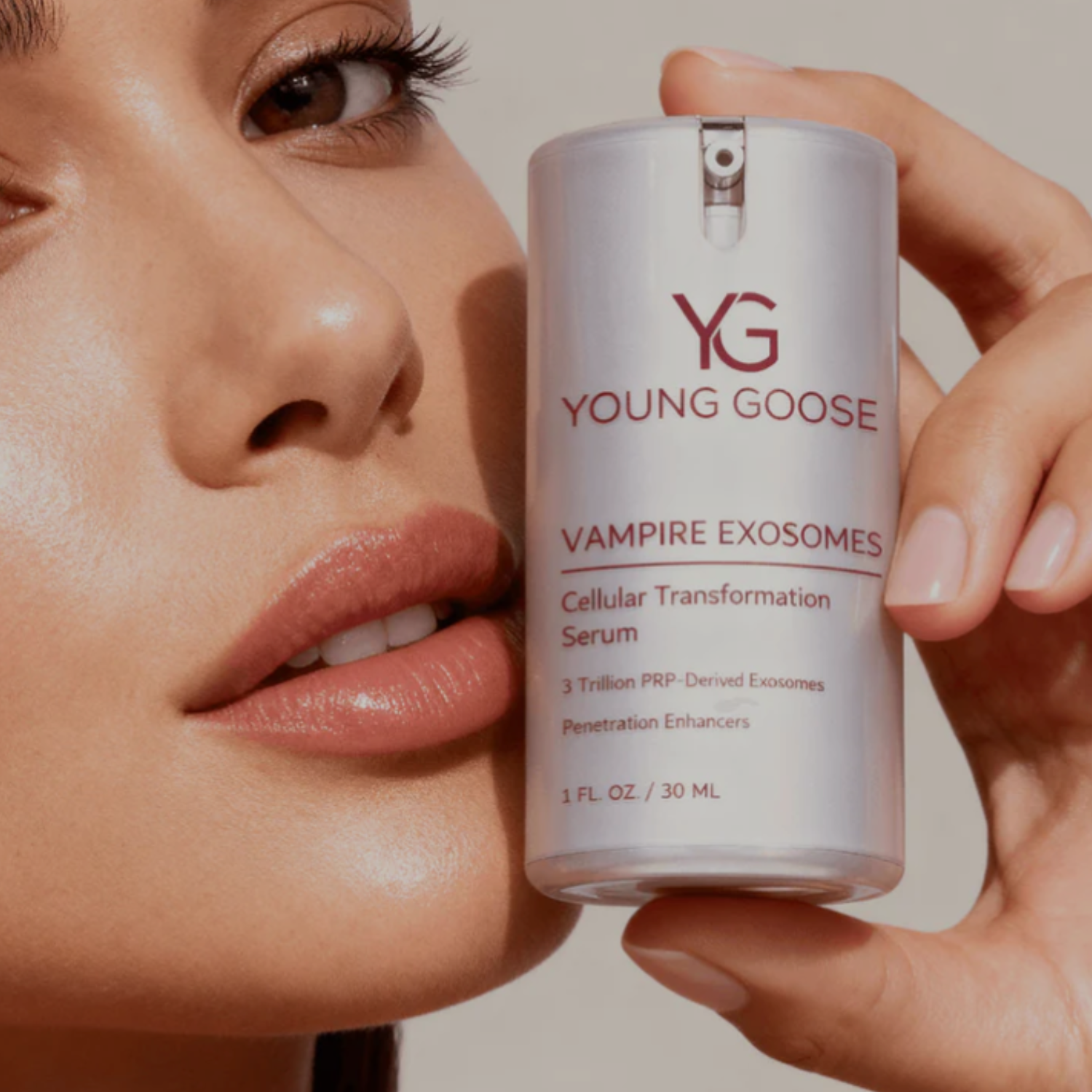
Cortisol disrupts both microbiomes. Try adding in fermented foods, fiber-rich meals, and microbiome-restoring topicals like SIV, Epicutis Hydrobiome Mist, Young Goose Adaptogenic cleanser and Blue Peptide Mist.
Skin Benefit:
✔️ Balanced bacteria levels
✔️ Less inflammation-driven acne
✔️ Faster healing of compromised skin
7. Build Micro-Moments of Calm Into Your Day
Cortisol responds to perceived stress, not just “big” stress. Small rituals/habits matter:
-
A morning coffee AFTER eating a balanced meal of protein, fats and carbs. Coffee before food sets you up for a cortisol spike.
-
5 minutes of journaling. I always recommend a gratitude journaling approach, there is so much research on how spending time in gratitude is helpful for calming the nervous system. I like The FIve Minute Journal for this.
-
A calming scent - get essential oil diffusing going or do dry brushing followed by a favorite body oil
-
A short walk
-
Touching your skin gently during your routine, facial massage, gua sha are great options.
Skin Benefit:
✔️ Visible reduction in redness
✔️ Clearer skin over time
✔️ Lower likelihood of stress breakouts
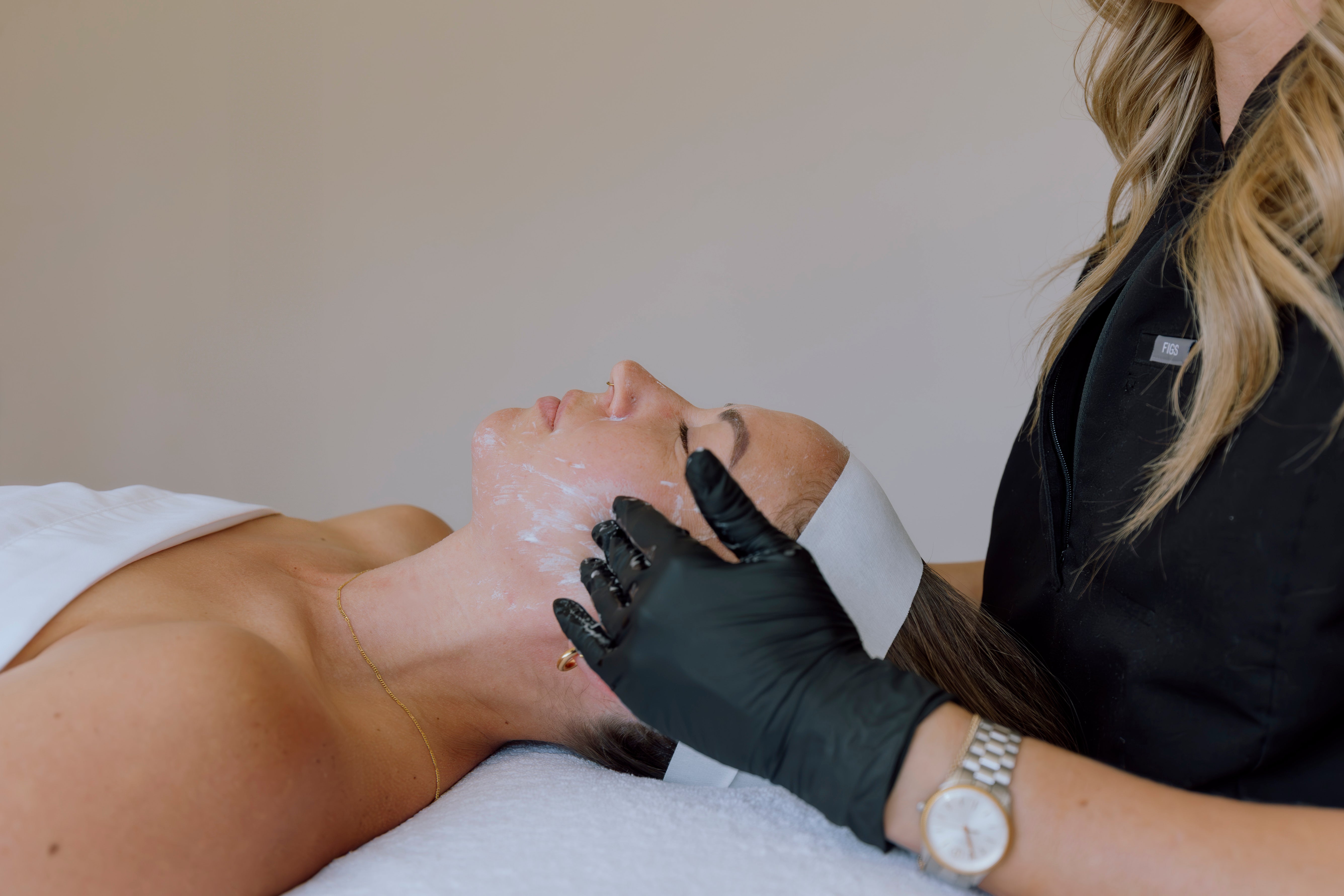
Your skin is dynamic and often there is not one solution to healing your skin from disruptions like dermatitis, breakouts, or more. It's looking at things in different ways and one of those is figuring out how to calm stress, calm the nervous system. Of course we love to do this when you are in for your facial treatments but adding in these practices at home will allow your skin to thrive, heal and correct itself through healthy consistent lifestyle approaches.